
Wax, paint sealant, and ceramic coating are often talked about as if they’re interchangeable — three ways to make a car “shiny and protected.” They’re not the same product, and they don’t perform the same way. Understanding what separates them helps explain why many vehicle owners eventually move from wax toward a ceramic coating, and what trade-offs are involved along the way.
The Short Answer
Wax is a temporary, sacrificial layer applied by hand that typically lasts weeks to a couple of months. Paint sealant is a synthetic version of wax that generally lasts longer — often a few months — but works on a similar principle. Ceramic coating at First Choice Detail LLC is a chemically bonded layer applied to the paint that forms a much more durable, long-term barrier and is typically applied as a professional service rather than a routine DIY task.
Here’s how each option compares in more detail.
What Is Car Wax?
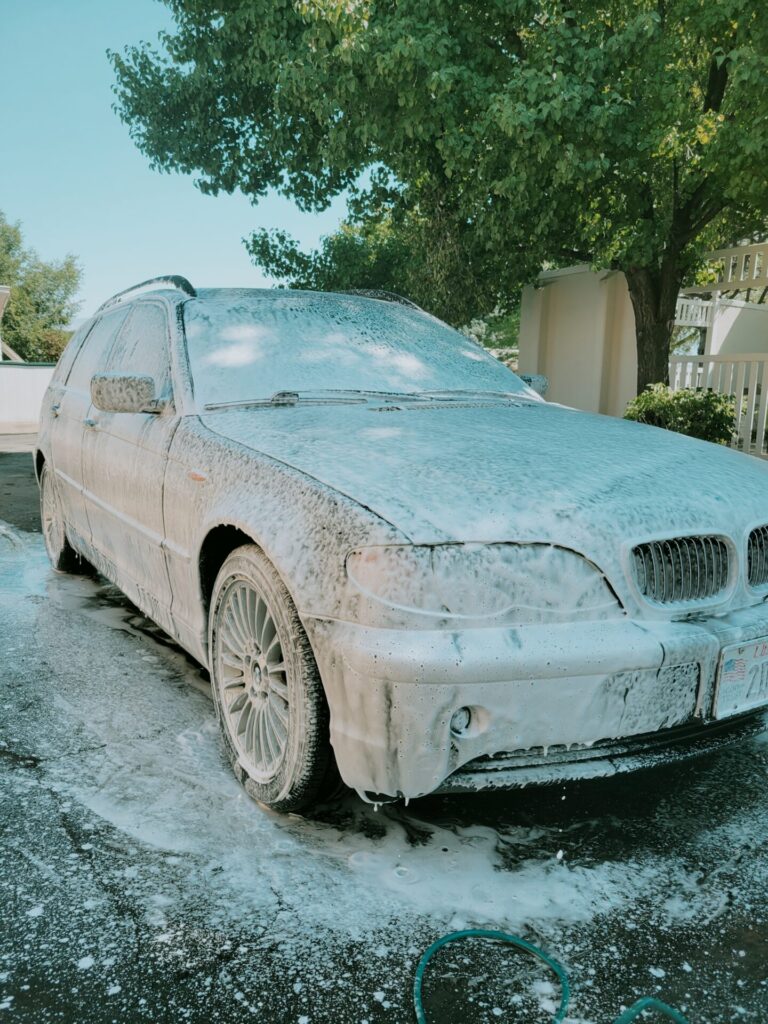
Car wax — typically carnauba-based or a wax blend — is applied on top of the paint and creates a temporary protective and glossy layer. It’s easy to apply, relatively inexpensive, and gives paint a distinct warm shine that many enthusiasts still prefer aesthetically. The trade-off is durability: wax breaks down relatively quickly when exposed to washing, sun, and weather, so it needs to be reapplied regularly to keep working.
What Is Paint Sealant?
Paint sealant is a synthetic alternative to wax, generally made from polymers rather than natural waxes. It bonds to the paint slightly more securely than wax and tends to last longer — often a few months rather than a few weeks — while still needing periodic reapplication. Sealants are often marketed as a middle ground: more durable than wax, but not as long-lasting or chemically resistant as a ceramic coating.
What Is Ceramic Coating?
A ceramic coating is a liquid polymer, typically silica-based, that chemically bonds to the vehicle’s clear coat rather than simply sitting on top of it the way wax does. Once cured, it forms a semi-permanent layer that is significantly more resistant to chemical staining, UV exposure, and everyday grime than wax or sealant. Because of how it bonds and cures, a professional application from First Choice Detail LLC ensures the coating is applied to properly prepared paint for maximum durability.
Comparing the Three Options
| Factor | Wax | Paint Sealant | Ceramic Coating |
| How it protects | Sits on top of paint | Sits on top of paint, bonds slightly better than wax | Chemically bonds to the clear coat |
| Typical durability | Weeks to ~2 months | A few months | Long-term (multi-year with proper care) |
| Application | Easy DIY | DIY or professional | Typically professional, on properly prepped paint |
| UV resistance | Limited | Moderate | Stronger, longer-lasting resistance |
| Hydrophobic effect | Present, fades quickly | Present, moderate durability | Strong and longer-lasting |
| Maintenance required | Frequent reapplication | Periodic reapplication | Regular washing, no frequent reapplication |
| Typical cost pattern | Lower upfront, recurring | Moderate upfront, recurring | Higher upfront, less frequent recurring cost |
Why Some Owners Choose Wax or Sealant Anyway
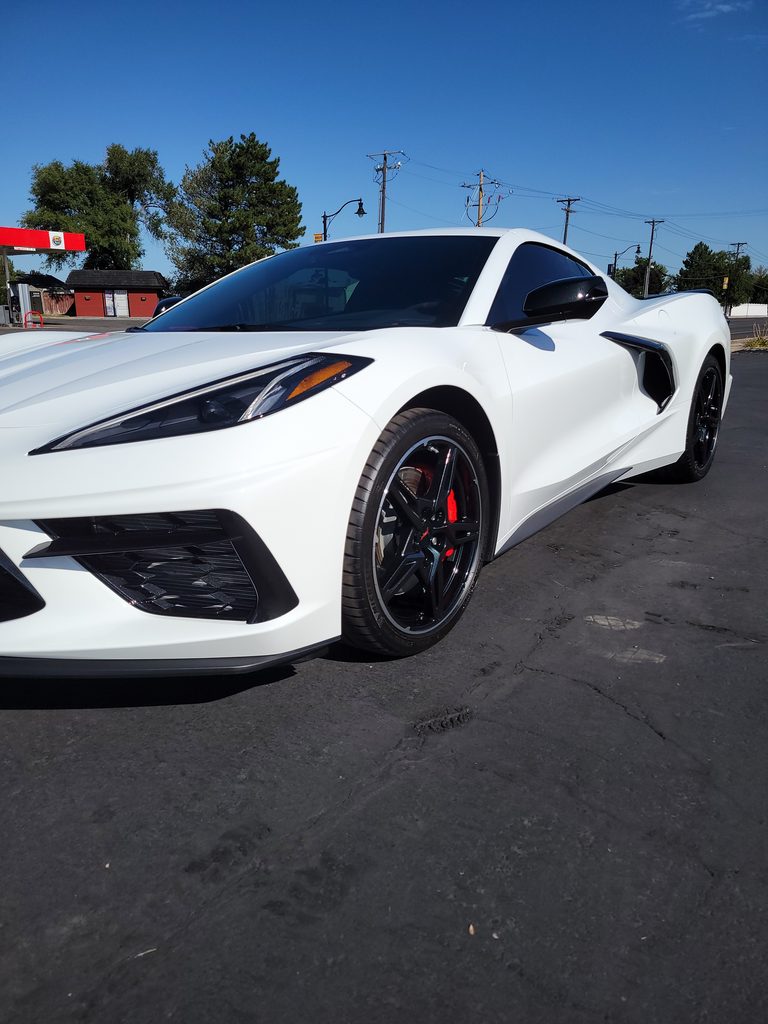
Wax and sealant aren’t obsolete just because ceramic coating exists. Some owners enjoy the ritual of hand-waxing a car, prefer the specific look wax gives certain paint colors, or aren’t ready for the upfront investment a professional ceramic coating requires. For a daily driver that’s replaced every couple of years, or a vehicle that isn’t a long-term keeper, wax or sealant may be a reasonable fit.
Why Many Owners Move Toward Ceramic Coating
For vehicle owners who want to minimize how often they’re reapplying protection, who keep their vehicles for years, or who are especially concerned about UV fading, water spotting, or contamination from road grime, ceramic coating tends to be the more practical long-term option. It shifts the maintenance burden from “reapply protection every month” to “wash correctly and let the coating do its job.”
Can You Combine Them?
Layering wax or sealant over an existing ceramic coating is generally unnecessary and, depending on the specific products involved, can sometimes interfere with the coating’s surface chemistry rather than add meaningful protection. Coating-specific maintenance sprays exist for exactly this reason — to top up gloss and hydrophobic performance without working against the coating underneath.
Does the Condition of the Paint Matter Before Choosing?
Yes — and this applies to all three options, but especially to ceramic coating. None of these products correct existing paint problems like swirl marks, oxidation, or scratches; they only protect the surface as it currently exists. If the paint already has visible imperfections, those imperfections will still be visible under a coating, wax, or sealant. This is why paint correction at First Choice Detail LLC is often discussed alongside ceramic coating rather than as a separate, unrelated service.
Making the Decision
The right choice generally comes down to three questions: How long do you plan to keep the vehicle? How much ongoing maintenance are you willing to do? And how much upfront investment makes sense for your situation? Owners who want low-maintenance, long-term protection tend to lean toward ceramic coating with us, owners who prefer a lower-cost, more hands-on routine may stick with wax or sealant.
Frequently Asked Questions
Is ceramic coating really better than wax?
It depends on the goal. Ceramic coating generally offers stronger, longer-lasting protection and less frequent maintenance, while wax offers a lower-cost, more hands-on option that some owners prefer for its traditional look and feel.
How long does ceramic coating last compared to wax?
Wax typically needs reapplication within weeks to a couple of months. Ceramic coating is designed to last considerably longer, though the exact duration depends on the specific product and how well the vehicle is maintained.
Do I still need to wax my car if it has a ceramic coating?
No — traditional wax is generally unnecessary over a ceramic coating and isn’t typically recommended, since the coating is already providing the protective layer.
Is paint sealant a good alternative to ceramic coating?
Sealant can be a reasonable middle-ground option for owners who want more durability than wax without committing to a professional ceramic coating, but it won’t match a ceramic coating’s long-term chemical resistance or reduced maintenance needs.
Does ceramic coating fix scratches or swirl marks?
No. Ceramic coating protects the paint’s existing surface; it does not remove or hide existing defects. Paint correction addresses those issues before a coating is applied.