
Not every vehicle automatically needs the same level of paint correction before ceramic coating. The correct preparation depends on the existing condition of the paint, the type and severity of visible defects, and the owner’s desired final appearance. Ceramic coating does not remove existing defects.
That last point catches a lot of first-time coating customers off guard, since coating is often marketed as a complete paint-transformation service rather than a protective layer over whatever’s already there. Here’s what paint correction and ceramic coating each actually do, why the sequencing matters, and how to think through what your own vehicle genuinely needs before booking either service.
What Paint Correction Actually Is
Paint correction is a machine-polishing process that works directly on the clear coat to reduce swirl marks, light scratches, oxidation, and general dullness that builds up from years of washing and sun exposure. It works by leveling out microscopic irregularities in the surface, which is why the degree of correction needed varies so much from one vehicle to the next — a car with minor wash-induced swirling needs far less work than one with years of accumulated wear.
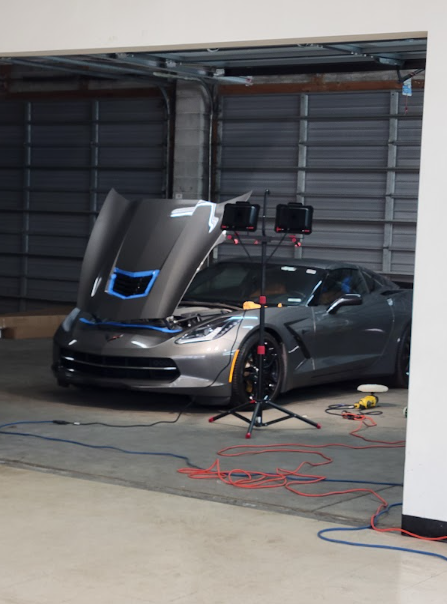
First Choice Detail LLC’s own paint correction service reflects this directly, with two distinct tiers built around different levels of defect severity: a lighter option aimed at vehicles in fair-to-good shape needing light correction, and a more intensive option for vehicles with visible imperfections, oxidation, or heavier swirl marks. The lighter tier is built to address roughly half of light surface defects; the more intensive tier is built to address the large majority of paint imperfections for a like-new finish. Which one applies to your vehicle depends entirely on what an actual inspection reveals.
What Ceramic Coating Actually Does
Ceramic coating is a high-performance liquid polymer that bonds to the painted surface, creating a protective layer that helps resist UV exposure, road grime, and other environmental contamination while adding hydrophobic behavior and gloss. What it does not do is correct anything underneath it. It’s a protective and cosmetic-enhancement layer, not a repair process — a distinction that matters a great deal for setting realistic expectations before committing to a coating tier.
Why Coating Locks In Whatever Condition Already Exists
This is worth stating plainly: swirl marks and light scratches that exist before coating will still be there afterward, and the added gloss from the coating can sometimes make them slightly more visible rather than less, since a glossier surface reflects light more evenly across the panel. Coating cures over whatever condition the paint is in at the moment of application — it doesn’t improve that condition first, regardless of which coating tier you choose or how long its warranty runs.
Paint Correction Is Already Built Into First Choice’s Coating Packages
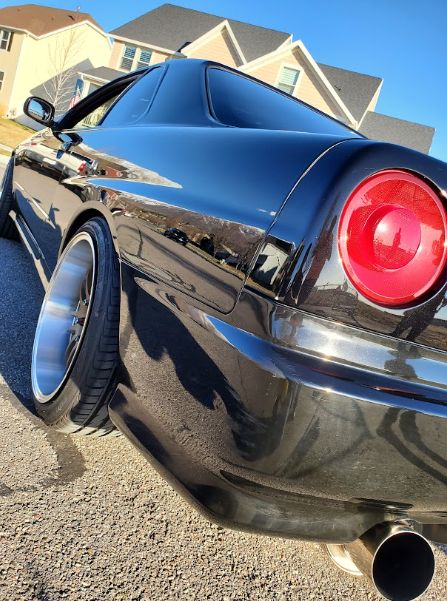
Here’s a detail worth understanding directly from First Choice’s own published packages: both real ceramic coating tiers explicitly state they include “everything in the paint correction process except wax.” That means correction isn’t a separate, optional add-on you have to remember to ask about at booking — it’s already part of how the coating gets applied in the first place, because the coating needs a properly prepared, genuinely clean surface to bond to correctly in order to actually perform the way it’s supposed to over its full warranty period.
What this actually means for your specific vehicle is less about whether any correction happens at all, and more about which correction tier your paint’s condition genuinely calls for. A vehicle with minimal visible defects may only need the lighter correction tier folded into the coating process. A vehicle with more significant swirling, oxidation, or scratching may need the more intensive tier — which is exactly why an actual paint inspection matters more than assuming based on the vehicle’s age or how clean it looks from a few feet away in a parking lot.
Paint Condition and What Preparation Might Make Sense
| Paint Condition | Preparation to Consider | Why |
|---|---|---|
| Clean new vehicle | Lighter correction tier likely sufficient | Minimal existing defects mean less extensive correction is needed |
| Light swirls | Lighter correction tier | Addresses roughly half of light surface defects per First Choice’s own tier description |
| Moderate defects | More intensive correction tier | Visible swirling or scratching typically needs deeper compounding and multi-stage polishing |
| Water spotting | Decontamination and correction evaluation | Mineral deposits can sometimes be addressed with proper technique, but severity varies |
| Oxidation | More intensive correction tier, condition-dependent | Oxidation often responds to correction, but results depend on how advanced it is |
| Deep damage | Evaluation required; correction may not fully resolve it | Damage through the clear coat into the color layer usually can’t be fully corrected without repainting |
These are general starting points based on First Choice’s own published tier descriptions, not guarantees — actual results depend on the specific vehicle and its paint history.
Does a New Car Automatically Need Paint Correction?
Not automatically, no. A brand-new vehicle with minimal delivery mileage and no visible swirl marks may need very little correction — sometimes the lighter tier folded into the coating process is genuinely sufficient on its own. That said, new doesn’t automatically mean flawless: manufacturing and delivery handling can leave minor imperfections even on a brand-new vehicle, which is exactly why an inspection matters more than an assumption based purely on the odometer reading.
Correction vs. Routine Exterior Care
It’s worth distinguishing correction from routine exterior detailing, since the two get confused often. Exterior detailing focuses on cleaning, decontamination, and light surface maintenance — and First Choice’s own exterior service can reduce minor scratches and swirl marks as part of that broader process. Paint correction is a more dedicated, multi-stage process built specifically to address more significant defects that routine exterior care isn’t designed to fully resolve. We cover this distinction in much more depth in our guide to paint correction versus exterior detailing.
Ongoing Care After Correction and Coating
Once correction has addressed whatever defects were actually present, coating goes on over a surface that’s genuinely ready for it, rather than one that’s just been made to look temporarily acceptable for the appointment. For the full picture of what changes — and what doesn’t — once both services are done, see maintaining a corrected and coated vehicle. And if you’re still deciding whether coating makes sense for your specific ownership situation in the first place, see whether coating is worth it in Ogden and West Haven.
For a deeper look at what ceramic coating provides once paint is properly prepared, see the real benefits of ceramic coating, and for more on exterior care fundamentals, see professional exterior detailing in Roy, Utah.
FAQ
Do you always need paint correction before ceramic coating? Some level of correction is already part of how First Choice’s coating packages get applied — both tiers include the paint correction process except wax. Whether your vehicle needs the lighter or more intensive correction tier depends on its actual paint condition.
Does ceramic coating hide swirl marks? No. Coating is a thin, transparent layer without the thickness to fill in the surface irregularities that make swirl marks visible. Existing swirl marks generally remain just as visible after coating, sometimes more noticeably so under the added gloss.
Can ceramic coating remove scratches? No. Coating protects the surface it’s applied to — it doesn’t correct or repair what’s underneath. Reducing the appearance of scratches is the job of paint correction, which First Choice folds into the coating process itself.
Does a new car need paint correction? Not automatically. Many new vehicles have minimal paint defects and may only need the lighter correction tier already built into the coating process. The right approach depends on the vehicle’s actual condition at the time of inspection.
Can you ceramic coat a vehicle without any polishing at all? Not entirely — First Choice’s own coating packages include a correction step for bonding purposes as a baseline. The real variable is whether your paint needs more correction than that baseline tier covers.
What happens if ceramic coating is applied over existing paint defects? The coating cures over whatever condition the paint was in at application. The surface will generally look glossier overall, but existing swirl marks, scratches, or oxidation beyond what the baseline correction addressed will still be visible underneath the added shine.
Is paint correction the same as exterior detailing? No. Exterior detailing focuses on cleaning and light surface maintenance, and can address some minor scratches and swirls as part of that process. Paint correction is a separate, more dedicated multi-stage process built for more significant defects.