
The right service depends on whether the underlying problem is contamination and routine maintenance, or actual paint defects that need genuine correction. Exterior detailing addresses the first category. Paint correction addresses the second. Most vehicles genuinely need some of both over the course of ownership, just not necessarily at the same appointment or on the same schedule.
Here’s how to tell which one your vehicle needs right now, and where First Choice’s own exterior service actually blurs the line a little — because the honest answer here is more nuanced than a clean either/or choice presented as a simple decision tree.
What Exterior Detailing Actually Covers
Exterior detailing is a thorough process that revitalizes and protects the outer surface of a vehicle — hand wash, bug and tar removal, clay bar treatment, and machine polishing to eliminate contaminants, along with wax or sealant application. It’s built around cleaning, decontamination, and appearance maintenance rather than deep paint repair, and it’s the kind of service most vehicles benefit from on a genuinely recurring basis.
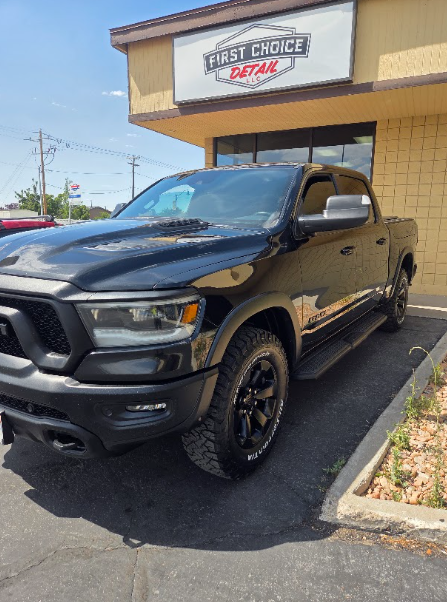
That said, First Choice’s own exterior detailing genuinely goes a bit further than a pure wash-and-protect service. Their own process description notes that light scratches and swirl marks can often be reduced through proper polishing as part of the exterior detailing service itself, depending on the specific package chosen. This is worth knowing upfront, because it means the line between “detailing” and “correction” isn’t as absolute in practice as it sometimes gets presented elsewhere — exterior detailing can meaningfully improve minor imperfections on its own; it just isn’t built or priced to address more significant ones the way a dedicated correction service is.
What Paint Correction Actually Covers
Paint correction is a separate, more dedicated multi-stage process using machine polishing and compounding to address more significant paint defects — deeper swirl marks, oxidation, and scratching that a lighter exterior polish simply isn’t designed to fully resolve on its own. First Choice structures this across two distinct tiers: a lighter option for vehicles in fair-to-good shape needing light correction, and a more intensive option for vehicles with visible imperfections, oxidation, or heavier swirl marks that need real, dedicated attention.
The Real Difference Is Degree and Scope, Not a Clean Binary
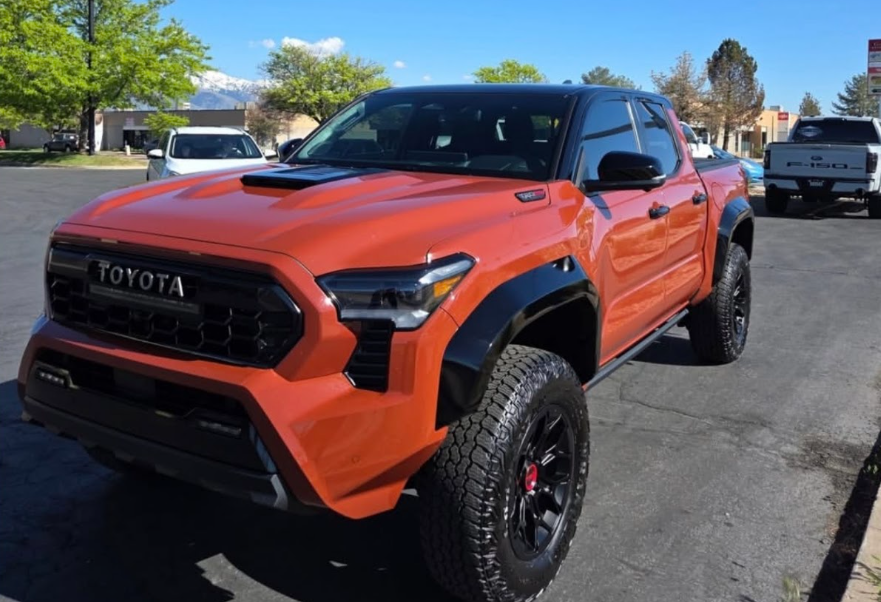
Given that First Choice’s exterior service already reduces some light scratches and swirls, the honest distinction isn’t “detailing cleans, correction fixes paint” — it’s about how much correction is genuinely happening and how dedicated the process is to achieving it. Exterior detailing’s light polishing is one step within a broader cleaning-and-protection service, applied briefly as part of a larger routine. Paint correction is an entire service built specifically around maximizing defect removal, using more intensive compounding and multi-stage polishing that a general exterior package simply isn’t structured or priced to deliver at the same depth.
Vehicle Problem, Exterior Detailing, or Paint Correction?
The table below breaks down which service actually addresses which specific problem, based on First Choice’s own real process descriptions rather than generic industry assumptions:
| Vehicle Problem | Exterior Detailing | Paint Correction |
|---|---|---|
| Loose dirt and road grime | Handles this directly | Not the right tool for this |
| Surface contamination (tar, bugs, light buildup) | Handles this directly | Not the right tool for this |
| Light scratches and minor swirl marks | Can meaningfully reduce these as part of the service | Also addresses these, more thoroughly |
| Moderate-to-heavy swirl marks | Limited improvement at best | Built specifically for this |
| Oxidation | Not addressed | Addressed, with results depending on severity |
| Overall paint clarity/gloss | Improved through wax/sealant application | Improved more significantly through polishing and compounding |
| Ongoing routine maintenance | This is its core purpose | Not a routine maintenance service |
Can Detailing Replace Correction?
Not for anything beyond light imperfections. If a vehicle has real swirl marks, visible oxidation, or noticeable scratching, exterior detailing’s light polishing step won’t fully resolve it — that’s genuinely paint correction’s job, done as its own dedicated service rather than a quick pass squeezed into a broader detail appointment.
Can Correction Replace Detailing?
No, and it’s genuinely not meant to. Paint correction focuses specifically on the paint’s surface condition — it doesn’t include the broader cleaning, decontamination, and protective steps that exterior detailing provides as ongoing maintenance throughout the year. A freshly corrected vehicle still needs regular washing and care afterward; correction is a one-time or periodic intervention addressing a specific problem, not a substitute for the routine upkeep that keeps a vehicle looking good between more significant services.
How the Two Services Work Together in Practice
For a vehicle with real paint defects, the practical sequence is usually: paint correction addresses the defects first, then routine exterior detailing maintains the result going forward on a genuinely recurring basis. If ceramic coating is also part of the plan, it goes on after correction is complete, protecting a surface that’s already in the condition you want preserved for years — we cover that specific sequencing in whether correction should come before coating.
When Ceramic Coating Enters the Picture
Coating isn’t a substitute for either service — it’s a protective layer that goes on top once paint condition is genuinely where you want it to be for the long term. If you’re weighing whether coating actually makes sense for your specific ownership situation, see whether coating makes sense in Ogden or West Haven.
Interior Care as a Separate Piece of the Picture
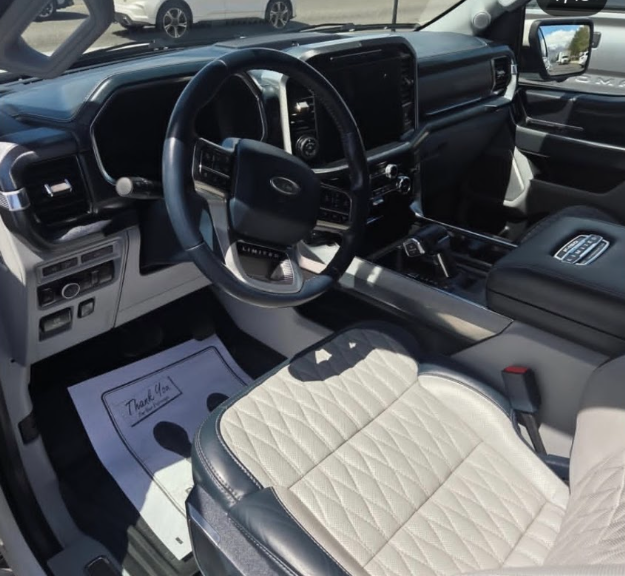
Everything discussed above focuses specifically and entirely on exterior paint work, which is deliberately separate from interior detailing. A vehicle can have flawless exterior paint and still need real interior attention, or vice versa — complete vehicle care generally means treating these as related but genuinely distinct needs entirely, rather than assuming that fixing one side of the vehicle automatically covers the other. See why professional interior detailing genuinely matters for more on that specific side of ownership.
For a deeper look at exterior detailing specifically, see professional exterior detailing in Roy, Utah, and for why choosing a local provider matters for either service, see the advantages of a local detailer familiar with the area’s actual driving conditions. For what ownership looks like once both correction and coating are genuinely done, see maintaining a corrected and coated vehicle.
FAQ
What is the difference between paint correction and exterior detailing? Exterior detailing focuses on cleaning, decontamination, and light surface maintenance, and can reduce some minor scratches and swirls as part of that process. Paint correction is a separate, dedicated multi-stage service built specifically to address more significant paint defects.
Can exterior detailing remove swirl marks? It can reduce light scratches and minor swirl marks as part of First Choice’s exterior process, depending on the package. More significant swirling typically needs paint correction’s more intensive, dedicated approach instead.
Does paint correction clean the car? Not in the way detailing does. Paint correction focuses specifically on the paint’s surface condition through polishing and compounding — it isn’t built around the broader washing, decontamination, and protective steps that exterior detailing covers.
When should you choose paint correction? When your vehicle has visible swirl marks, oxidation, or scratching beyond what light polishing can meaningfully improve. An actual paint inspection is the most reliable way to know which category your vehicle falls into.
Does every vehicle need paint correction? No. Many vehicles in reasonably good condition only need routine exterior detailing, which can handle light imperfections as part of its normal process. Correction becomes relevant once defects are more significant.
Should paint correction happen before ceramic coating? Generally, yes, if there are real paint defects present. Coating locks in whatever condition exists at application, so addressing significant defects through correction first tends to produce a better long-term result.
Can exterior detailing improve gloss? Yes, through wax or sealant application and the light polishing that’s part of the process. Paint correction improves gloss more significantly for vehicles with actual surface defects, since it addresses the underlying irregularities rather than just adding a protective layer on top.