
Touchless automatic car washes protect clear coat better than friction brush tunnels during a Utah winter because high-pressure water jets eliminate spinning cloth or foam curtains that drag trapped highway sand and salt crystals across your paint, though touchless bays rely on stronger alkaline or acidic pre-soaks that strip traditional waxes faster and leave a faint static road film behind. Commuters driving I-15, US-89, and Legacy Parkway around Roy, Ogden, and West Haven face sub-freezing weeks where driveway hose washing is impossible. Knowing when to use a touchless rinse bay, why brush tunnels carve winter swirl marks, and how periodic hand washing resets the finish keeps clear coat glossy until spring.
Why Winter Tunnel Queues Multiply Brush-Wash Scratch Risk
Friction drive-through tunnels clean fast on dry summer afternoons, yet post-storm winter rush hours turn shared wash curtains into abrasive grit carriers. After a Wasatch Front snowstorm, dozens of salt-crusted pickups, crossovers, and canyon-driven SUVs line up bumper-to-bumper carrying coarse traction sand, volcanic cinder grit, and frozen slush packed inside wheel arches and rocker seams.
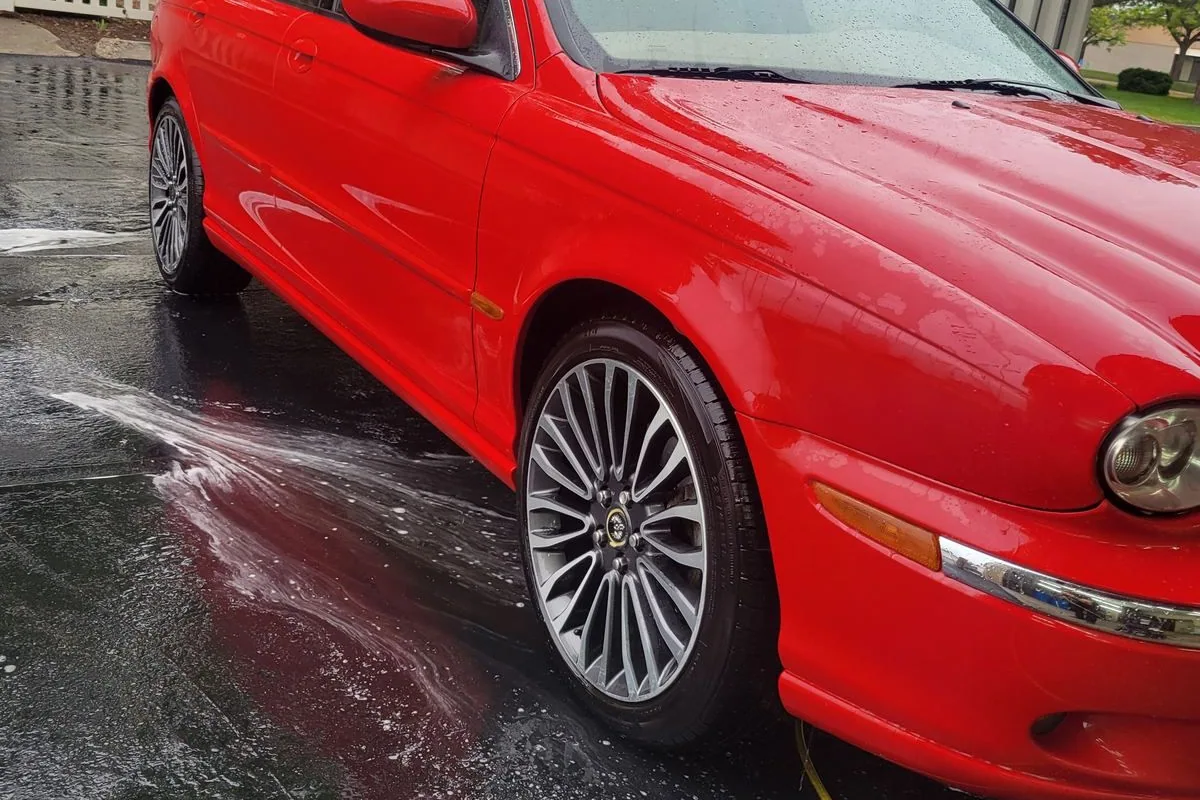
Even modern closed-cell foam strips—often marketed as “soft-touch” or “brushless cloth”—whip across hoods, doors, and tailgates hundreds of times per hour. Fine mineral particles and grease shed by preceding trucks cling to damp rotating strips and score linear micro-scratches across every vehicle behind them. High-volume winter tunnels also recycle a portion of wash water through settling tanks; when storm demand spikes on sunny afternoons after snowfalls, ultra-fine suspended silt increases wear on sensitive black, navy, and metallic clear coats.
For a full breakdown of what winter road treatments leave on exterior panels in the first place, see our October guide on how road salt and winter driving affect your car’s paint in Utah.
How Touchless Car Washes Clean Without Physical Contact
Touchless automatic bays replace mechanical friction with a two-step chemical pre-soak followed by high-pressure contoured water arches. Laser or ultrasonic sensors measure vehicle length and width, spraying a low-pH mild acid pass and a high-pH alkaline pass that react with mineral crust and oily exhaust film before nozzles blast the loosened slurry off the panels.
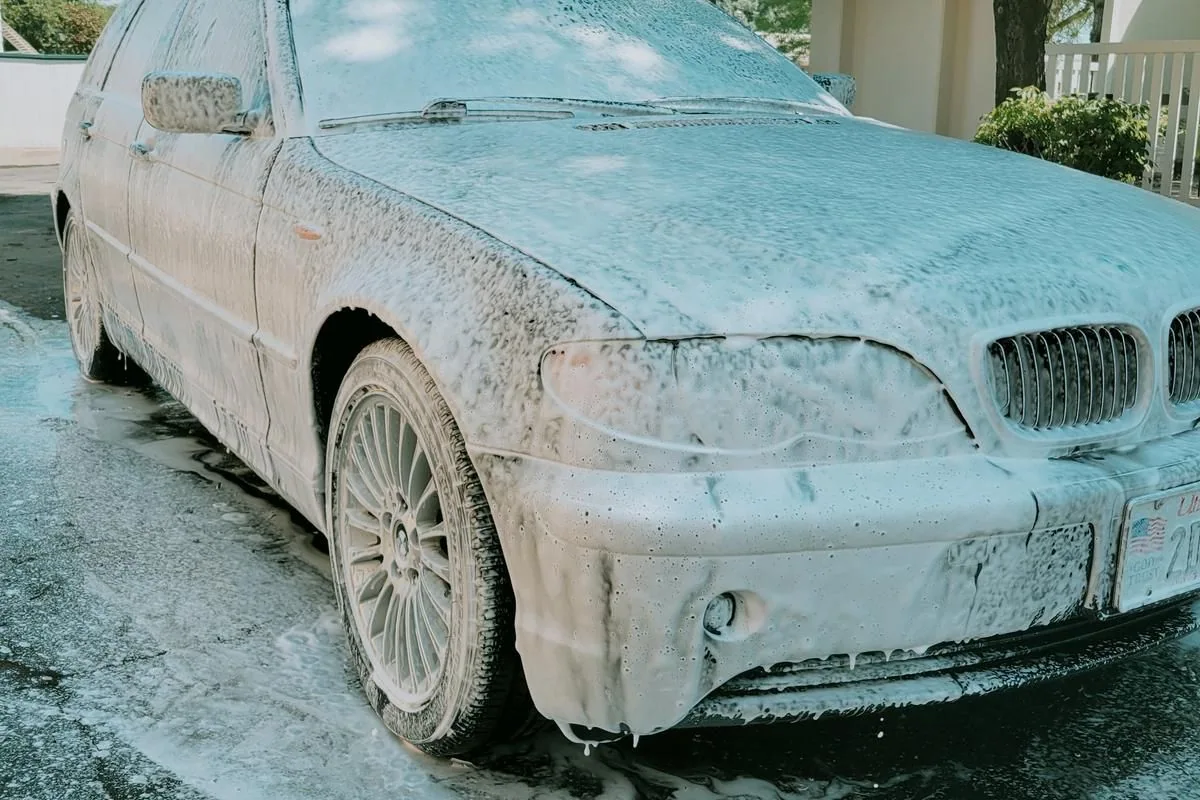
Zero physical brush contact means zero tunnel-inflicted swirl marks on dark trucks and sedans. That safety comes with two honest tradeoffs Utah drivers notice right away: aggressive touchless detergents degrade carnauba wax and entry-level polymer sealants in just a few visits, and pressure jets alone struggle to lift greasy gray static film clinging to flat tailgates, vertical rear hatches, and lower doors without gentle microfiber agitation.
Water quality inside automated bays matters too: hard mineral rinse water left to air-dry on dark hoods during a sunny winter afternoon leaves faint calcium rings unless final spot-free reverse-osmosis rinse arches operate properly.
Touchless vs. Friction Brush vs. Self-Serve Wand vs. Hand Detail
Each cold-weather wash method balances salt removal, clear-coat safety, undercarriage access, and wax longevity differently. Comparing all four options side by side clarifies which bay fits quick storm cleanups versus deep monthly resets.
| Winter Wash Method | Swirl & Scratch Risk | Heavy Brine & Film Removal | Effect on Wax / Sealant / Coating | Best Winter Role in Roy, UT |
|---|---|---|---|---|
| Touchless Automatic Bay | Very low (no brush contact) | Flushes heavy salt crust; leaves faint static haze | Harsh pH pre-soaks strip wax quickly; ceramic coatings resist better | Quick mid-week salt and undercarriage flush below 35°F |
| Friction / Soft-Touch Brush Tunnel | High after snowstorms due to trapped sand | Removes visible traffic film via mechanical scrubbing | Abrades clear coat and wears down surface protection | Avoid on dark, corrected, or ceramic-coated paint |
| Self-Serve High-Pressure Wand (No Brush!) | Very low if shared foaming brush is never used | Strong targeted rinsing inside wheel wells and rockers | Gentler if using plain rinse or mild pre-soak | Targeted wheel-arch, bumper, and rocker salt flushing |
| Professional Hand Exterior Detail | Lowest (clean mitts, pH-balanced shampoo, indoor bay) | Complete removal of both brine and bonded traffic film | Preserves coatings and refreshes sealant protection | Monthly winter reset and post-storm decontamination |
What About Undercarriage Sprayers in Utah Winter Tunnels?
Floor-mounted undercarriage jets inside touchless bays provide genuine winter value when roads between Roy, Clearfield, and Ogden are wet with liquid magnesium or sodium chloride brine. Flushing wheel-arch lips, pinch welds, suspension control arms, and exhaust hangers knocks down concentrated salt crust before daytime thaws accelerate oxidation on unpainted steel fasteners.
Drive slowly—roughly two miles per hour—over the entry sprayer bar rather than rushing into the bay so upward water fans hit the front subframe, transmission crossmember, and rear axle housing evenly. If you prefer a manual self-serve wand bay, kneel back at a safe angle and sweep the high-pressure rinse tip thoroughly along inner fender liners and rocker bottoms where slush cakes up thickest.
Salt brine also collects inside wheel barrels, brake-caliper brackets, and lug-nut recesses where automated side arches miss half the wheel face. Giving painted alloy, gloss-black, or machined wheels a dedicated hand cleaning every few weeks stops corrosive chloride crust from pitting clear-coated wheel lips through January and February.
Five Rules for Using Touchless or Self-Serve Bays Safely Below Freezing
Smart wash bay habits eliminate the most common winter mistakes without requiring a heated home garage. Follow five practical precautions whenever temperatures hover near freezing across Weber and Davis counties:
- Never touch the shared foaming brush in a coin-op bay: Drivers routinely scrub muddy tires, salty wheel liners, and gritty truck beds with that bristle brush, turning it into coarse sandpaper on clear coat.
- Select the basic touchless wash + undercarriage rinse without “triple-foam polish” waxes: Undercarriage jets rinse corrosive brine off subframe seams, whereas cheap tunnel spray waxes streak cold windshields and clog hydrophobic coatings.
- Step out and blot door jambs and rubber weatherstripping dry immediately: Carry two clean plush microfiber towels in the trunk to wipe door seals, fuel-door latches, and tailgate edges before residual water freezes doors shut overnight.
- Skip dry-wiping leftover haze on lower doors: If a touchless wash leaves a thin gray film along the rockers, leave that haze alone until a proper hand wash rather than rubbing dry grit into the paint with a towel.
- Tap brakes gently after exiting the wash bay in cold air: Light brake-pedal pressure warms wet rotors and pads safely within the first block so thin ice films do not glaze braking surfaces when parked.
How Ceramic-Coated and Uncoated Vehicles React to Touchless Chemicals
Uncoated vehicles wearing store-bought carnauba wax lose water beading after two or three touchless washes because high-pH degreasers emulsify natural oils rapidly. Professional ceramic coatings carry much wider chemical tolerance—typically handling pH 2 through pH 12 wash solutions—making touchless bays a practical emergency salt-flush option for coated cars during January cold snaps.
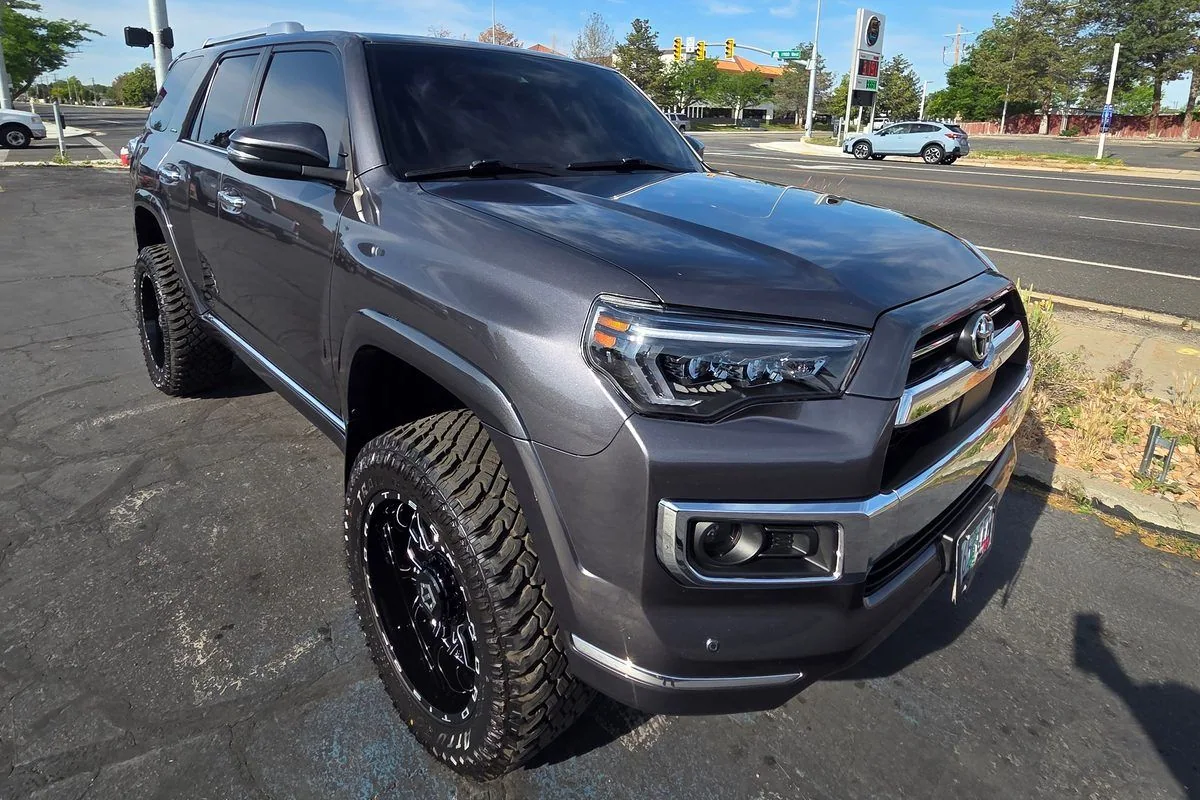
Repeated touchless cycles without a contact wash eventually leave mineral deposits and surfactant film that temporarily mask water beading on coated panels. Scheduling a safe pH-neutral contact wash restores crisp hydrophobic behavior without polishing. Drivers dealing with salty slush tracked onto floor liners inside the cabin can also pair exterior care with our step-by-step guide on removing winter salt stains from car carpets and floor mats.
Resetting De-Icer Haze With a Safe Contact Wash
Once daytime temperatures climb into the forties along the Wasatch Front, a lubricated two-bucket hand wash clears away the stubborn surfactant and mineral film that touchless arches leave behind. Pre-foaming lower panels first loosens remaining road salt before a clean microfiber mitt glides top-to-bottom across each section with pH-balanced car shampoo.
Rinsing wash mitts in a dedicated grit-guard bucket after every panel prevents stray winter sand from migrating from dirty rocker panels up onto glossy hoods and doors. Finishing with a clean forced-air dryer or plush drying towel and a silica spray sealant restores slickness on uncoated paint while reviving crisp water beading across coated clear coat.
Why Monthly Hand Washing Beats Unlimited Tunnel Memberships
Unlimited brush-tunnel memberships tempt Utah commuters with daily convenience, yet six months of winter brush passes often leave dark trucks and SUVs needing multi-stage machine paint correction by April. Repairing tunnel-induced spiderwebbing removes finite factory clear coat and costs far more than spacing out safe touchless salt rinses with periodic hand care.
Inspecting your hood and doors under direct winter sunshine or gas-station canopy LEDs reveals early wash marring fast. Concentric cobweb rings around bright reflections signal brush-curtain or dirty-towel friction, whereas flat chalky lower panels that feel smooth after a contact wash simply carry dried mineral brine. Catching wash-bay wear early lets you switch to touchless salt flushes before shallow clear-coat haze deepens into heavier scratches.
Professional exterior detailing at First Choice Detail LLC in Roy uses clean microfiber wash media, thorough wheel-well flushing, chemical decontamination, and protective wax or sealant inside a controlled shop bay—lifting the stubborn winter road film that touchless jets leave behind without scratching your clear coat.
Book Safe Winter Exterior Detailing in Roy, UT
Keeping Utah winter brine off your vehicle does not mean sacrificing clear-coat gloss to gritty tunnel brushes. Use touchless rinses for sub-freezing salt emergencies between storms, keep shared bay brushes off painted panels, and let First Choice Detail LLC at 3990 S 1900 W, Roy, UT handle deep winter hand washes, decontamination, and protective sealing. Visit our Roy contact page or explore Exterior Detailing packages to schedule your vehicle.
Frequently Asked Questions
Are touchless car washes safe for ceramic-coated cars in winter?
Yes, occasional touchless washes are a safe way to flush heavy Utah road salt off a ceramic-coated vehicle during freezing spells because zero brushes touch the finish, though a periodic pH-neutral hand wash is still needed to remove lingering static road film.
Why do soft-touch automatic car washes still leave swirl marks in winter?
Even soft closed-cell foam curtains trap microscopic sand, cinder grit, and road salt shed by snow-covered trucks earlier in the wash line, turning spinning strips into fine abrasives against clear coat.
Why does my car still look slightly dusty after a touchless wash?
Water pressure and alkaline pre-soaks dissolve thick salt crust and loose slush effectively, but fine oily exhaust and tire film bonds electrostatically to paint and requires gentle microfiber contact lubrication to release completely.
Is a self-serve pressure wand safe to use in winter?
High-pressure rinse wands in self-serve bays are very safe for flushing wheel wells, bumpers, and lower doors at a twelve-inch distance as long as you never use the bay’s shared bristle foam brush on painted surfaces.
How warm does it need to be to use a touchless car wash in Utah?
Midday windows above 32°F reduce ice buildup around wash-bay exits and door latches; if you rinse slightly below freezing, immediately wipe rubber door seals, trunk jambs, and mirror housings dry with a clean microfiber towel.
Can winter brush-tunnel swirl marks be removed in the spring?
Yes. Shallow circular swirls and dullness caused by friction car washes sit in the upper clear coat and respond well to single-stage or multi-stage machine Paint Correction at First Choice Detail LLC in Roy, UT.