
One of the most common points of confusion in vehicle protection is assuming a ceramic coating will improve the paint’s appearance the way paint correction does. It won’t — at least not in the way people often expect. Ceramic coating and paint correction solve two different problems, and understanding the difference is the key to getting the finish most owners actually want.
The Short Answer
Ceramic coating protects paint. Paint correction improves paint. A coating applied over paint that still has swirl marks, scratches, or oxidation will protect those imperfections — not remove them. For that reason, paint correction at First Choice Detail LLC is typically recommended before ceramic coating whenever the paint has visible defects.
What Each Service Actually Does
Paint correction is a machine-polishing process that addresses existing imperfections in the clear coat — swirl marks, light scratches, oxidation, water spots, and haze — by leveling a thin layer of the clear coat to remove them.
Ceramic coating is a chemically bonded protective layer applied on top of the paint’s current condition. It adds resistance to UV damage, chemical staining, and everyday grime, and makes the surface easier to keep clean.
These aren’t competing services. They’re sequential ones, and understanding the order matters.
Why Ceramic Coating Doesn’t Fix Existing Paint Defects
A ceramic coating is a thin, transparent layer that follows the contour of whatever surface it’s applied to. If that surface has swirl marks or scratches, the coating settles over those imperfections rather than filling or removing them. In many cases, a coating can actually make existing swirl marks more visible, since the added gloss and clarity the coating provides can make surface imperfections more noticeable under certain lighting, not less.
This is a common misconception worth being direct about: ceramic coating is not a substitute for paint correction, and it isn’t marketed as one by reputable detailers. It’s a protective step, not a corrective one.
Why This Makes Paint Correction a Practical First Step
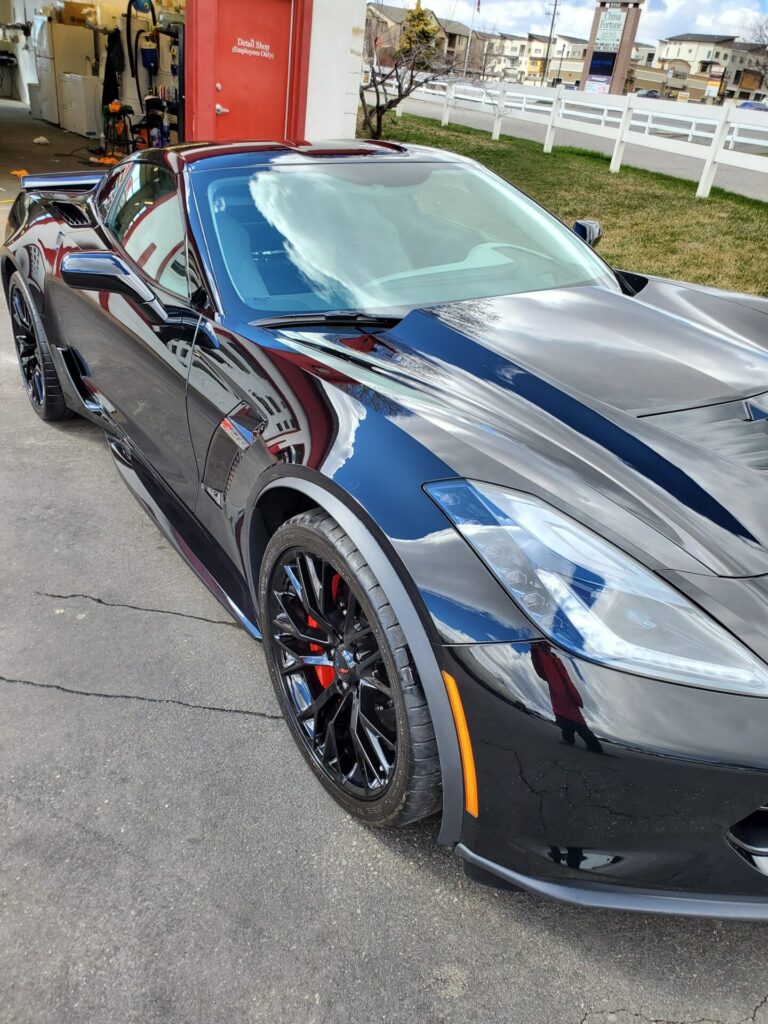
Because a coating locks in the paint’s condition at the time of application, correcting the paint first ensures that what gets protected is the best possible version of that finish — rather than sealing in defects that will still be visible for as long as the coating lasts. For an investment intended to last years, most owners find it makes more sense to address correctable imperfections before that layer goes on, rather than after.
Does Every Vehicle Need Paint Correction Before Coating?
Not necessarily. A newer vehicle with minimal swirl marks, no visible oxidation, and paint that’s been well maintained may need only a lighter polishing step (sometimes called a one-step enhancement) rather than full multi-stage correction. The right level of preparation depends on the vehicle’s actual paint condition, which is why an inspection at First Choice Detail LLC before coating is a useful step regardless of the vehicle’s age.
What Happens If Coating Is Applied Without Correction?
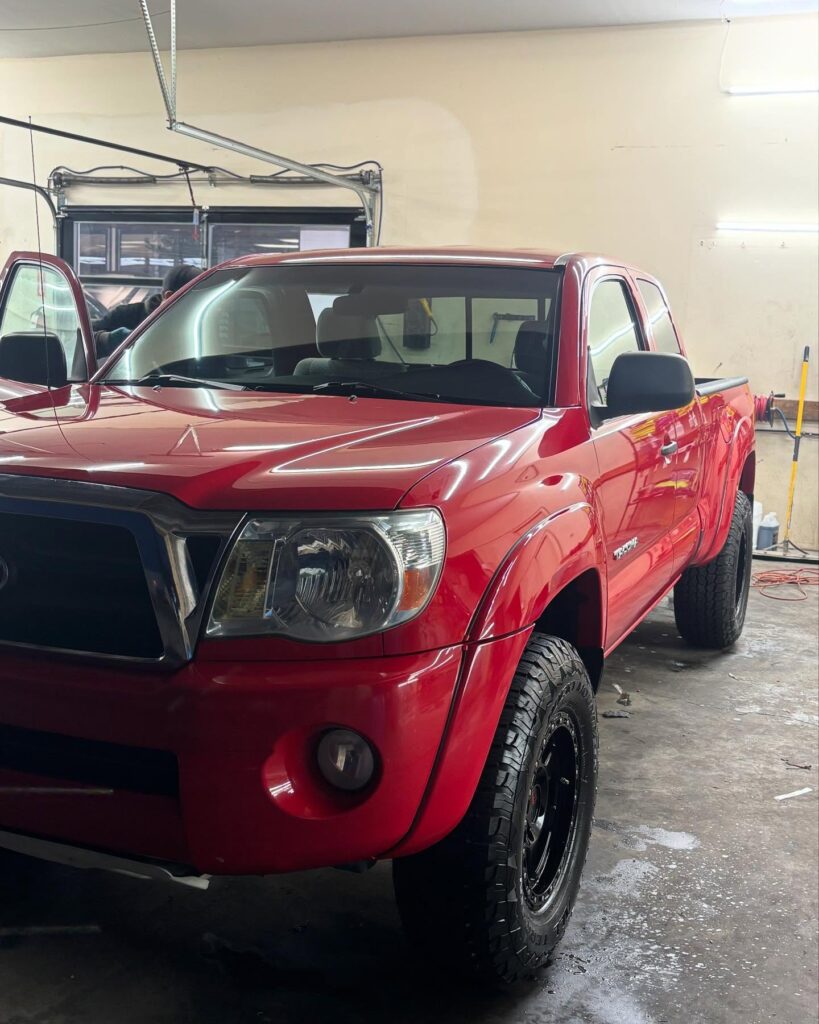
It’s not harmful to the paint, and the coating still provides its intended chemical and UV protection. But the finish will show whatever the paint looked like beforehand — visible swirl marks under sunlight, existing water spot etching, or dullness from oxidation will all still be present, just underneath a protective, glossy layer. For owners specifically chasing a flawless, high-gloss finish, skipping correction generally means skipping that result too.
How the Two Services Typically Work Together
A common sequence for vehicles receiving both services at First Choice Detail LLC is:
- Wash and decontaminate the paint to remove surface contaminants before any polishing begins.
- Assess the paint’s condition to determine what level of correction is appropriate.
- Perform paint correction — one or multiple stages, depending on the severity of defects.
- Prep the corrected surface for coating (often including a wipe-down to remove polishing oils and residue).
- Apply the ceramic coating to the now-corrected surface, then allow proper cure time before exposure to water or driving, per the coating manufacturer’s guidance.
Considerations Before Booking Both Services
Combining paint correction and ceramic coating is a larger project than either service alone, both in time and in overall investment. It’s worth discussing directly with a professional detailer at First Choice Detail LLC which level of correction the vehicle actually needs — some vehicles need a full multi-stage correction, others need a lighter enhancement, and applying more correction than necessary isn’t beneficial since it removes clear coat that doesn’t need to come off.
Frequently Asked Questions
Will ceramic coating hide scratches or swirl marks?
No. Ceramic coating is a protective, transparent layer that follows the paint’s existing surface — it doesn’t fill in or hide defects, and can sometimes make them more visible under certain lighting.
Do I have to get paint correction before ceramic coating?
Not always, but it’s typically recommended for vehicles with visible swirl marks, scratches, or oxidation. Vehicles in excellent condition may only need a lighter polish before coating.
What happens if I skip paint correction and coat my car anyway?
The coating will still protect the paint chemically and against UV exposure, but any existing imperfections will remain visible underneath the coating rather than being corrected.
How long does the combined process take?
Timing depends on the vehicle’s condition and the extent of correction needed.
Is it worth paying for both services instead of just one?
It depends on the owner’s goals. For a flawless, long-lasting finish, most detailers recommend correction first and coating second; for owners primarily focused on protection rather than appearance, coating alone may be sufficient.