
Iron fallout on car paint consists of microscopic, jagged metallic slivers shed by automotive brake rotors, snowplow blades, industrial yards, and rail lines that embed into clear coat and oxidize into tiny orange-brown rust specks that ordinary car shampoo cannot wash away. Removing embedded rail dust safely requires a pH-neutral chemical iron remover that dissolves the oxidized metal fringe first, followed by lubricated detailing clay to lift any remaining stubborn cores before waxing, polishing, or ceramic coating. Drivers across Roy, Ogden, West Haven, and Clinton see heavy fallout accumulation from I-15 braking zones, FrontRunner and Union Pacific rail corridors, and winter plow scraping.
Where Iron Fallout and Rail Dust Come From in Weber and Davis Counties
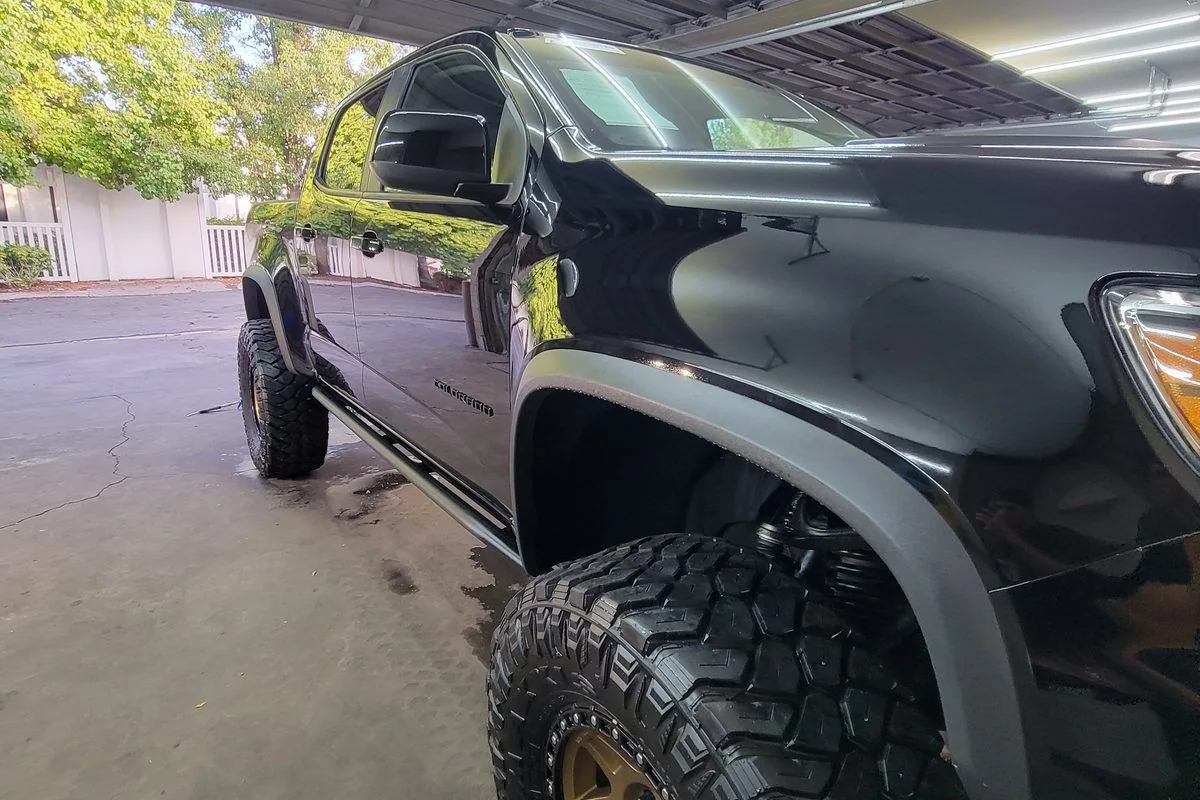
Every time a heavy pickup, commuter sedan, or semi-truck brakes along I-15, Riverdale Road, Hinckley Drive, or 1900 West, cast-iron brake rotors and semi-metallic pads shear off superheated iron particles into traffic airflow. Hot or sharp-edged ferrous fragments land on horizontal hoods, roofs, tailgates, and lower doors behind the front wheels, sintering lightly into warm clear coat.
Three additional Utah sources accelerate metallic buildup year-round:
- Railroad transit and local rail corridors: Brand-new cars shipped on open or vented railcars—plus vehicles parked near Roy, Clearfield, and Ogden rail yards—collect fine steel dust ground off locomotive wheels and rails.
- Winter snowplow blades and salted slush: Heavy steel highway plow edges grinding against concrete and asphalt leave microscopic iron shavings mixed directly into salty road spray, accelerating orange rust blooms on contact.
- Industrial fabrication and construction dust: Airborne metallic dust near railyards, metal shops, and freeway overpass work settles onto horizontal clear coat and bonds tightly after morning dew or hard-water sprinkler cycles.
Vehicles parked outdoors near busy commuter corridors in Roy, Riverdale, and Ogden accumulate measurable ferrous grit within a single season even with bi-weekly washing. Because brake dust and plow shavings carry sharp microscopic burrs, hot summer panels and freeze-thaw winter moisture anchor those particles tighter than ordinary windblown Utah dust.
Why White Paint Shows Orange Specks While Dark Paint Feels Like Sandpaper
Every paint color collects the exact same metallic fallout on Utah roads, yet vehicle owners discover the contamination differently depending on basecoat shade. On white, pearl, glacier silver, and light gray trucks, moisture and winter road chlorides oxidize embedded iron particles into pinpoint orange or rust-colored blooms across the tailgate, rear bumper, and lower doors—making owners worry their steel body panels are rusting from the inside out.
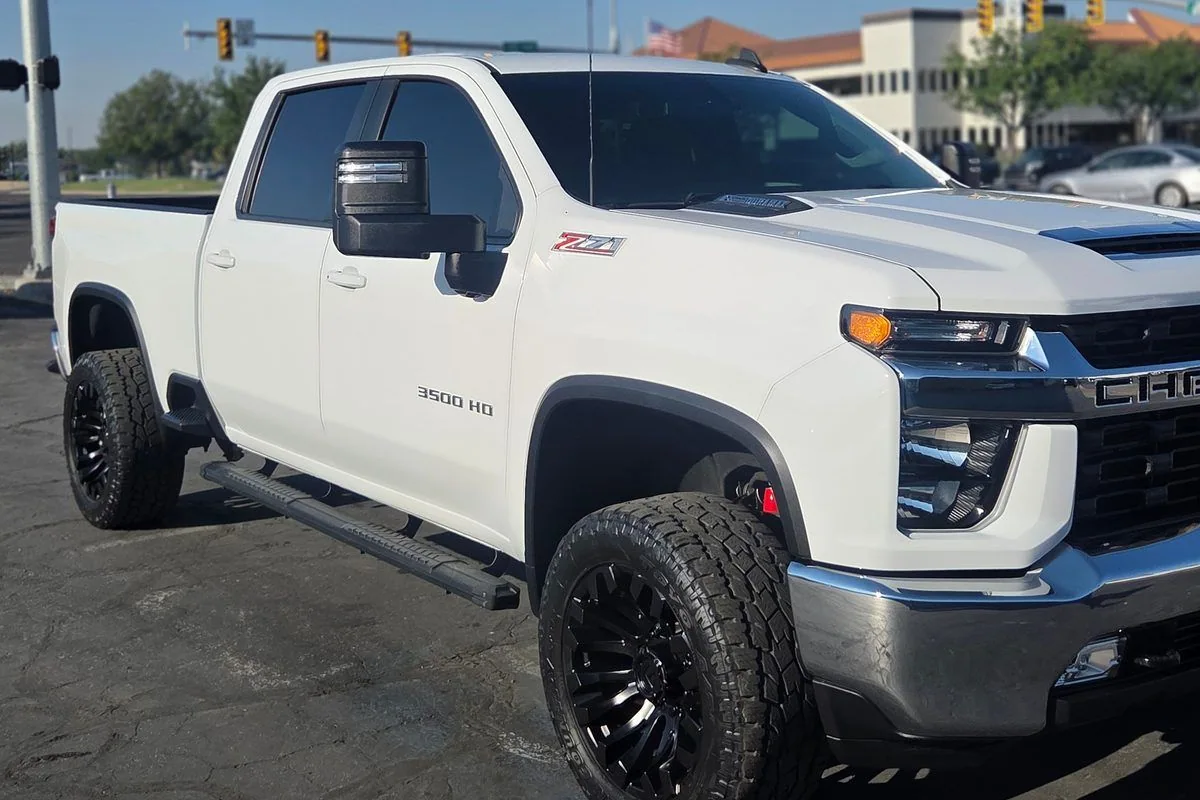
Even aluminum hoods and painted urethane bumpers develop those identical orange dots, proving the rust sits inside airborne iron specks embedded in the upper clear coat rather than the panel substrate underneath. Left untreated across multiple winters, expanding iron oxides slowly widen microscopic pits in the clear coat and trap road grime around each speck.
On black, charcoal, deep blue, and red vehicles, orange blooms blend into the dark pigment visually, yet sliding clean fingertips inside a thin plastic sandwich bag across washed, dry paint reveals a gritty, sandpaper-like texture. For help distinguishing rough surface contamination from actual clear-coat scratches and swirls, review our October guide on paint correction signs for Roy, UT drivers.
How to Perform the Clean Plastic-Bag Tactile Test After Washing
Bare fingertips miss subtle surface contamination because skin ridges absorb tiny vibrations as your hand moves across sleek clear coat. After washing and drying a cool panel in the shade, slip two fingers inside a thin sandwich baggie and glide lightly across the flat rear bumper shelf, lower front door behind the tire, and center hood with zero downward pressure. Clean, decontaminated clear coat feels slick and silent like indoor window glass, whereas bonded iron fallout, overspray, or mineral grit telegraphs unmistakable prickly bumps directly through the thin plastic film.
Checking four specific zones on your vehicle maps fallout severity in less than two minutes:
- Flat rear bumper shelf and lower tailgate: Turbulent low-pressure wake behind trucks and SUVs pulls brake dust, snowplow filings, and exhaust soot straight onto rear horizontal ledges.
- Lower front doors behind the front wheel wells: Heavy front braking throws hot rotor particles outward along the lower door skin and rocker panels on every freeway exit ramp.
- Horizontal hood and roof centerlines: Airborne rail dust and industrial fallout settle onto upward-facing panels overnight and sinter tighter under afternoon Utah UV exposure.
- Painted wheel spokes and brake-caliper faces: Concentric metallic dust bakes hardest right beside brake pads, making wheels an obvious visual indicator of overall fallout load.
Chemical Iron Remover vs. Detailing Clay vs. Machine Polishing
Removing bonded iron safely relies on matching each decontamination step to what it physically accomplishes. Skipping chemical dissolution and jumping straight to aggressive claying or machine buffing pulls sharp metallic shards across the finish.
| Decontamination Step | Mechanism of Action | What It Removes | Clear-Coat Marring Risk | When Needed |
|---|---|---|---|---|
| Routine pH-Neutral Hand Wash | Surfactant lubrication and microfiber lifting | Loose dust, mud, and unbonded salt film | Minimal with clean wash mitts | Every 1–2 weeks year-round |
| Chemical Iron / Fallout Remover | pH-balanced thioglycolate reaction turning purple on iron | Dissolves sintered iron particles and orange rust blooms inside pores | Zero mechanical friction | Every 4–6 months, after winter, and before claying |
| Lubricated Detailing Clay Bar / Mitt | Mild mechanical shearing across slick clay lubricant | Stubborn non-metallic overspray, tree sap, tar nibs, and leftover cores | Low to moderate (can leave light clay haze on soft dark paint) | Before wax, sealant, paint correction, or ceramic coating |
| Machine Paint Correction | Controlled pad and abrasive clear-coat leveling | Swirl marks, clay marring, water-spot craters, and shallow scratches | Controlled leveling; requires clean decontaminated paint first | After full chemical + clay decontamination |
Step-by-Step Safe Iron Fallout Removal Process
Proper paint decontamination follows a cool-panel sequence so active ingredients react with iron without drying prematurely in dry Utah air. Technicians at First Choice Detail LLC execute five disciplined stages:
- Wash and rinse loose grime indoors or in full shade: Strip away surface dirt and road salt first so the iron remover contacts embedded metallic specks directly instead of wasting chemistry on mud.
- Mist pH-neutral iron remover across cool panels: Within two to four minutes, active ingredients bind to oxidized iron(III) ions and bleed deep purple or magenta as jagged edges dissolve into water-soluble complexes.
- Rinse thoroughly before product dries on paint or trim: Flushing every panel, badge crevice, headlight seam, and rubber seal prevents dried chemical streaks under warm Utah sun.
- Glide fine-grade clay over generous lubricant where roughness remains: Light, zero-pressure passes shear away non-ferrous tar, sap, or stubborn industrial nibs without gouging clear coat.
- Apply fresh protection or inspect for machine polishing: Bare, decontaminated clear coat accepts wax, polymer sealant, or ceramic coatings cleanly—or moves under LED lights for paint correction if clay haze or wash swirls are visible.
Vehicle owners weighing how much polishing makes sense after heavy claying can compare correction levels in our guide to one-step vs. multi-step paint correction.
How Ceramic Coating Slows Future Fallout Bonding
Cured ceramic coating forms a dense, chemically resistant barrier over factory clear coat that keeps airborne brake dust and snowplow filings from anchoring as deeply into microscopic paint pores. Most winter ferrous particles wash off a coated finish during routine hand washes, and any stubborn spring specks dissolve rapidly with a mild pH-neutral iron spray without heavy claying.
Unprotected clear coat has far higher surface energy, allowing hot rotor dust and wet rail grime to grip bare resin and oxidize into visible orange blooms much faster. Applying a durable sealant or ceramic layer immediately after full decontamination keeps smooth panels cleaner through future Weber County winters.
Mistakes to Avoid When Treating Orange Rust Specks at Home
Aggressive household shortcuts damage clear coat far worse than the fallout itself. Four common driveway errors turn minor rail-dust cleanup into expensive refinishing:
- Scrubbing orange dots with melamine sponges, kitchen pads, or rubbing compound by hand: Abrasive pads scour dull matte patches directly into glossy clear coat while leaving metallic cores wedged inside paint pores.
- Spraying wheel acid or harsh rust removers onto automotive paint: Industrial oxalic or hydrofluoric wheel acids stain anodized trim, etch glass, and damage sensitive single-stage or repainted panels.
- Letting purple fallout spray bake dry in direct Utah sunlight: Low humidity and high altitude evaporate liquids fast outdoors, leaving stubborn chemical spotting across dark hoods and unpainted plastics.
- Polishing with a machine buffer over un-decontaminated paint: Spinning foam or microfiber pads rip embedded iron slivers loose and spin them in tight circles, carving fresh pigtail scratches across the panel.
Testing one small lower-door section in the shade confirms how embedded fallout responds before treating the entire truck or SUV. When rough texture or faint swirl haze remains after chemical rinsing, controlled indoor shop lighting pinpoints the safest next step.
Schedule Professional Paint Decontamination in Roy, UT
Whether your white pickup shows stubborn orange specks across the tailgate after winter plow season or your dark SUV feels rough after washing, thorough chemical and mechanical decontamination restores glass-smooth paint safely. First Choice Detail LLC includes clay bar decontamination inside our Exterior Detailing and Paint Correction packages at 3990 S 1900 W, Roy, UT. Visit our Roy contact page to book a paint inspection for your vehicle.
Frequently Asked Questions
Why does my brand-new white car already have tiny orange rust dots on the paint?
New vehicles frequently pick up fine metallic rail dust during train and open-carrier transport from the factory; moisture oxidizes those surface specks into tiny orange dots on top of the clear coat even on plastic bumpers.
Why do iron fallout removers turn purple when sprayed on paint?
pH-neutral automotive iron removers use active thioglycolate compounds that stay clear until they chemically bind with oxidized iron particles, turning purple or dark red as the metallic edges dissolve into a rinseable liquid.
Does a clay bar alone remove all iron fallout from clear coat?
A clay bar shears off the protruding top of an embedded metallic particle, whereas using a chemical iron remover first dissolves the deeper oxidized base inside the clear-coat pore and reduces scratching during claying.
Are pH-neutral iron removers safe on ceramic-coated cars?
Yes. Most dedicated pH-neutral automotive iron removers are safe to use once or twice a year—especially after a Utah winter—to unclog embedded brake and snowplow fallout from a cured ceramic coating when applied to cool, shaded panels and rinsed thoroughly.
Does First Choice Detail LLC remove rail dust before paint correction or ceramic coating?
Yes. Every Paint Correction and Ceramic Coating service at First Choice Detail LLC in Roy, UT begins with thorough decontamination washing and clay treatment so machine polishing pads never drag bonded metallic particles across your clear coat.
How often do Utah daily drivers need iron decontamination?
Most vehicles driven along I-15 and treated Weber or Davis County roads benefit from chemical fallout removal once in the spring after snowplow season ends and again in late fall before winter protection is applied.